Why Young Men Are Suddenly Getting Suits Made
In summary
- Fashion's mood has turned. Young men are moving away from logos and hype towards quieter, intentional dressing, with searches for relaxed tailoring up more than 550 per cent year on year.
- The shift is driven by a return to offices, a desire to be taken seriously, and a growing fatigue with fast fashion churn.
- A first commission is simpler than most expect. A bespoke shirt is the natural entry point, followed by a versatile first suit.
For the better part of a decade, the uniform of youthful ambition was a hoodie, a sneaker with a waiting list and a logo that did the talking. Streetwear had its imperial phase, luxury houses handed their thrones to its designers, and the suit was declared dead at regular intervals.
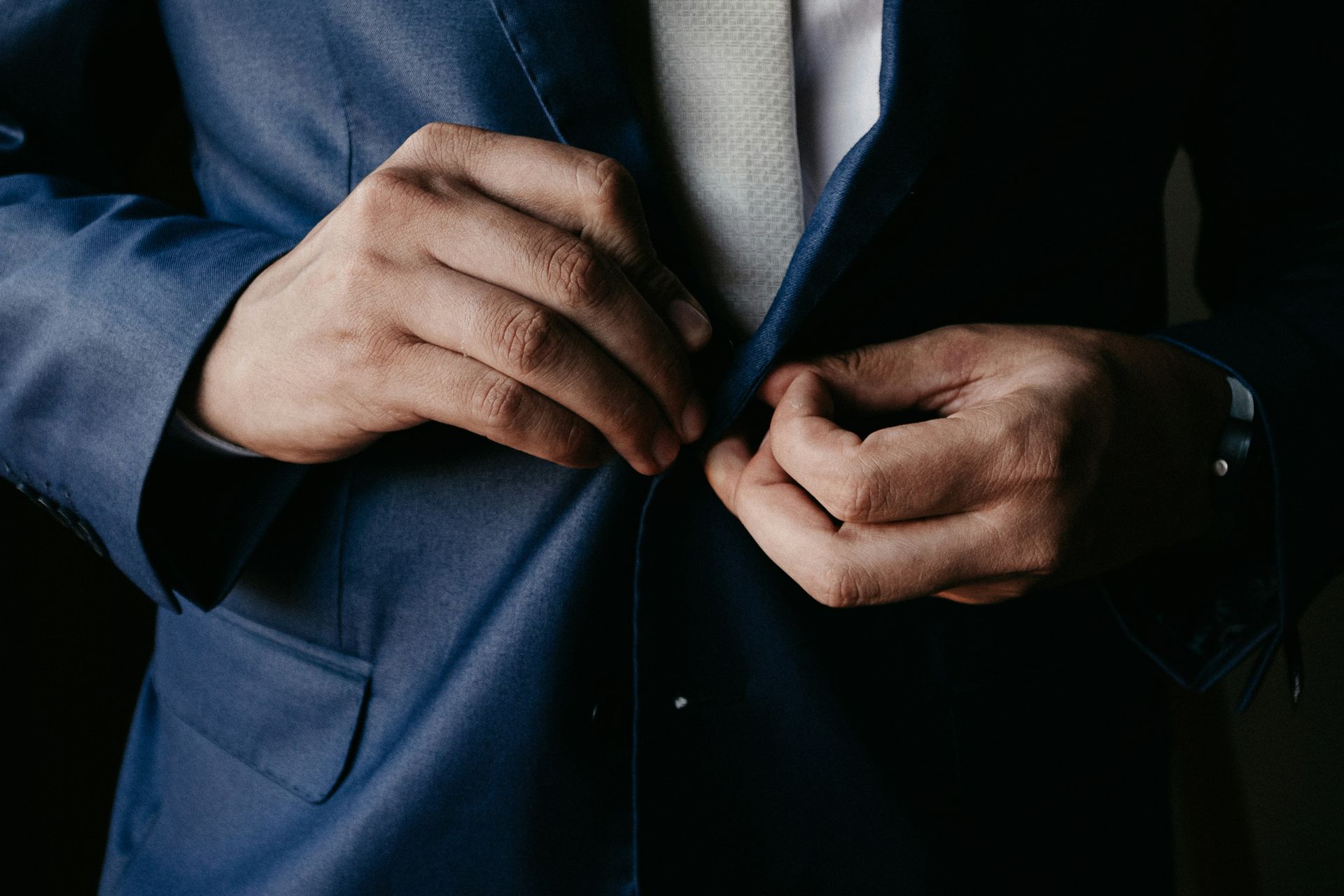
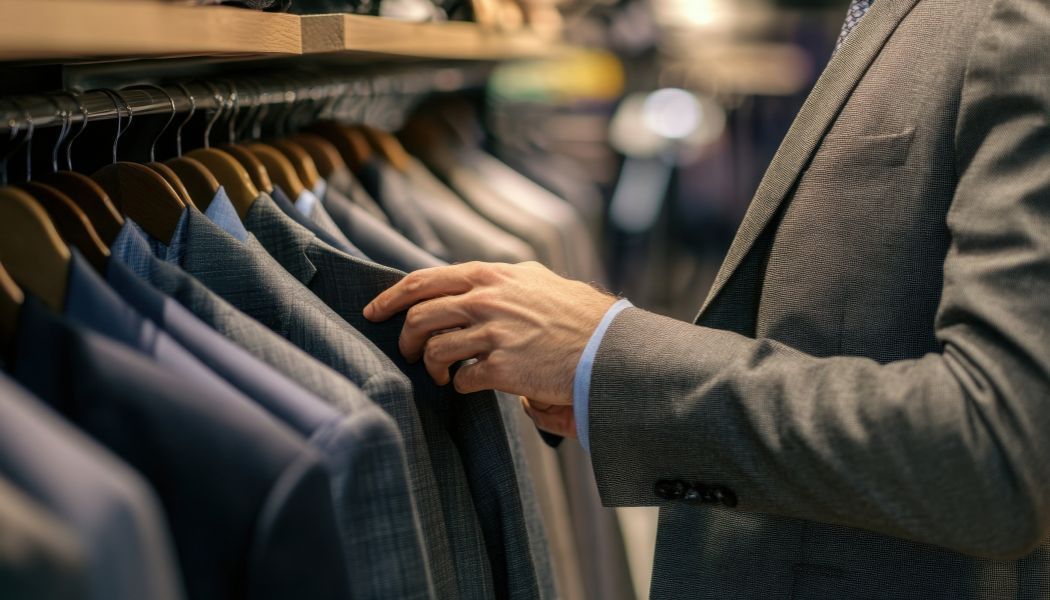
The obituaries were premature. Walk through the Sydney CBD in 2026 and the shift is visible on the street: younger men, dressed with intention, in clothes that actually fit. The fashion press has noticed the same thing. CNN's report on the year ahead described a new mood among young men, quieter and more purposeful, driven by a renewed desire to be taken seriously, with logos giving way to texture, fit and material. The data agrees. Searches for relaxed tailoring have climbed more than 550 per cent year on year, and Pitti Uomo, menswear's great trade fair, now hands its guest slots to young designers whose entire language is modern tailoring.
What changed
Several currents met at once. Offices reopened, and with them the old question of how to be perceived across a boardroom table. The economic weather sharpened, and serious times reward serious dress. What began a few years ago as quiet luxury, all muted palettes and hidden branding, has matured into something more personal: quality everyday clothing worn with confidence, chosen for the wearer instead of the audience.
And a generation raised entirely online arrived at a quiet realisation. Hype is a currency everyone can hold, which makes it worth very little. When every feed wears the same sneaker, distinction migrates to the things an algorithm cannot replicate. Cloth. Cut. Fit.
There is fatigue, too, with disposability. Ten years of fast fashion leaves a man with a full wardrobe and nothing to wear. The generation that turned sustainability into a shopping filter was always going to find its way, eventually, to clothes that are made to last.
We see the shift each week in our Bligh Street rooms: men in their late twenties and early thirties commissioning for the first time. Some arrive with a reason, a promotion, a wedding, an admission ceremony. Others have simply decided the moment has arrived. Nearly all of them say the same thing at the second fitting, usually while turning in front of the mirror: they wish they had done this years earlier.
The first commission, demystified
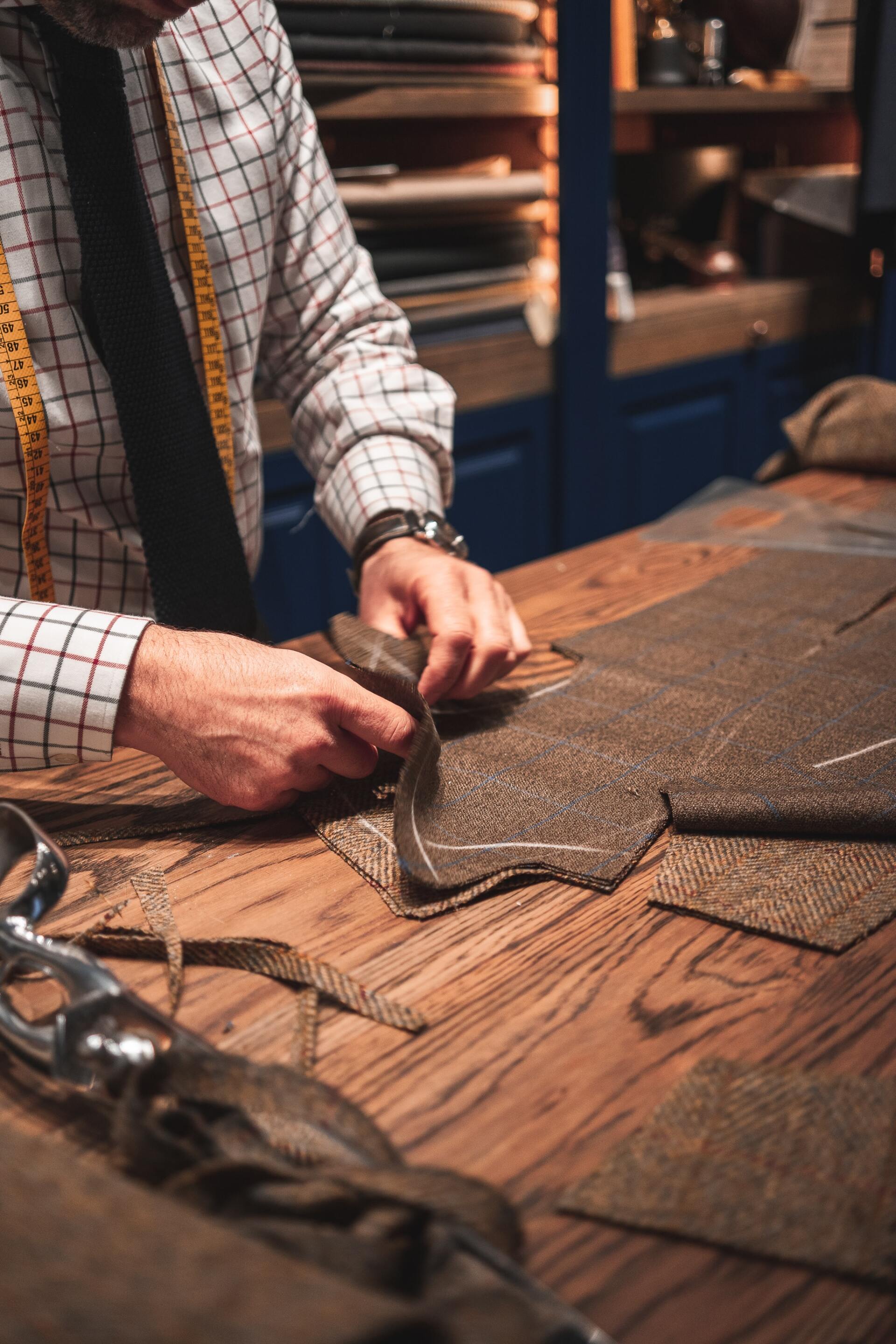
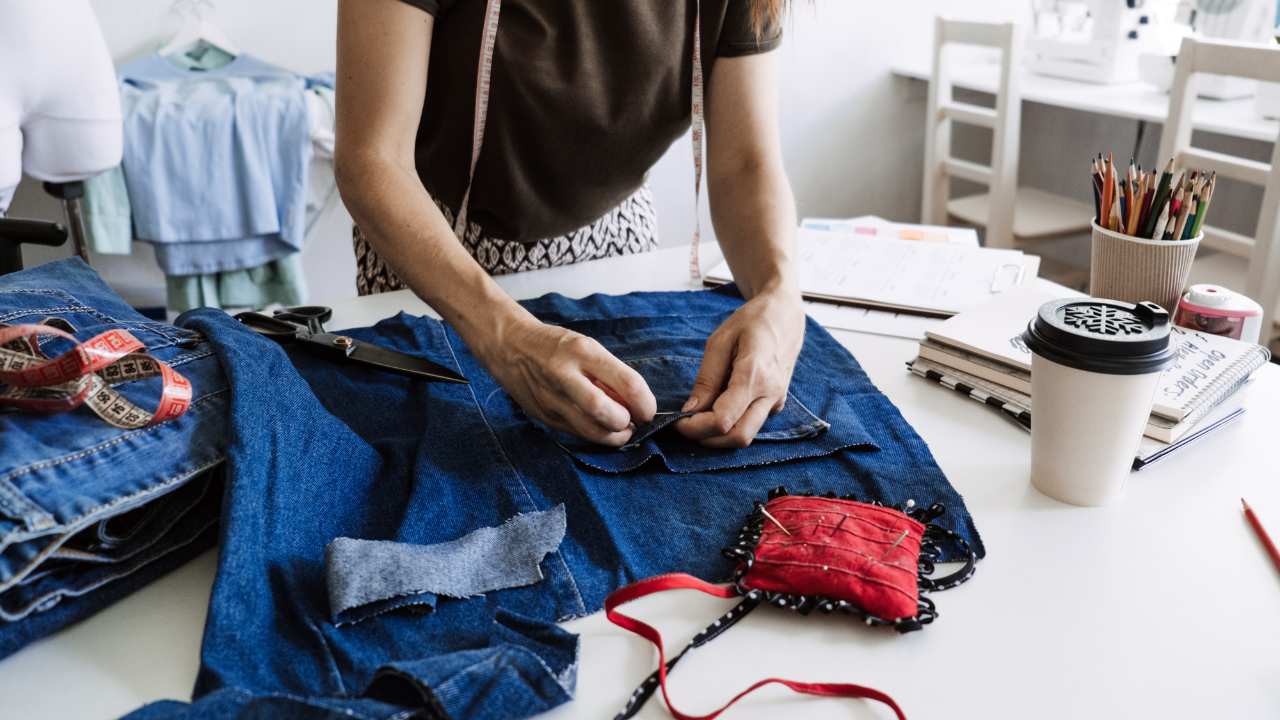
If you have never been measured, the process can look like a club with a secret handshake. The door opens the same way for everyone. A first appointment is a conversation before it is anything else: what you do, how you spend your week, what you want the clothes to say about you. Measurements follow, then cloth, then a
series of fittings in which the garment takes shape around your body and posture. No knowledge is assumed and none is required. Questions are welcome, and the education is half the pleasure.
Where to begin
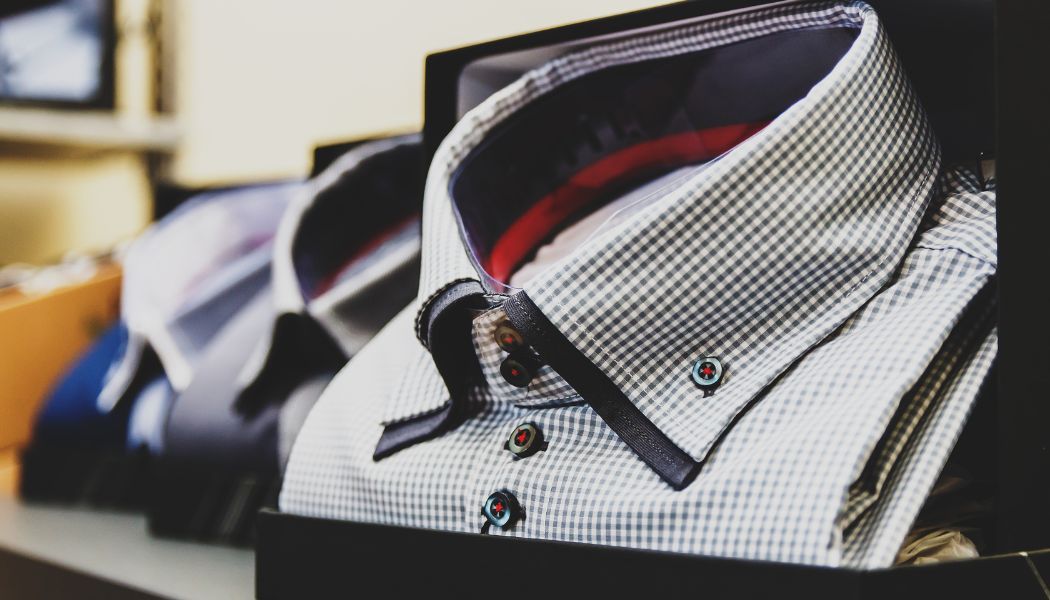
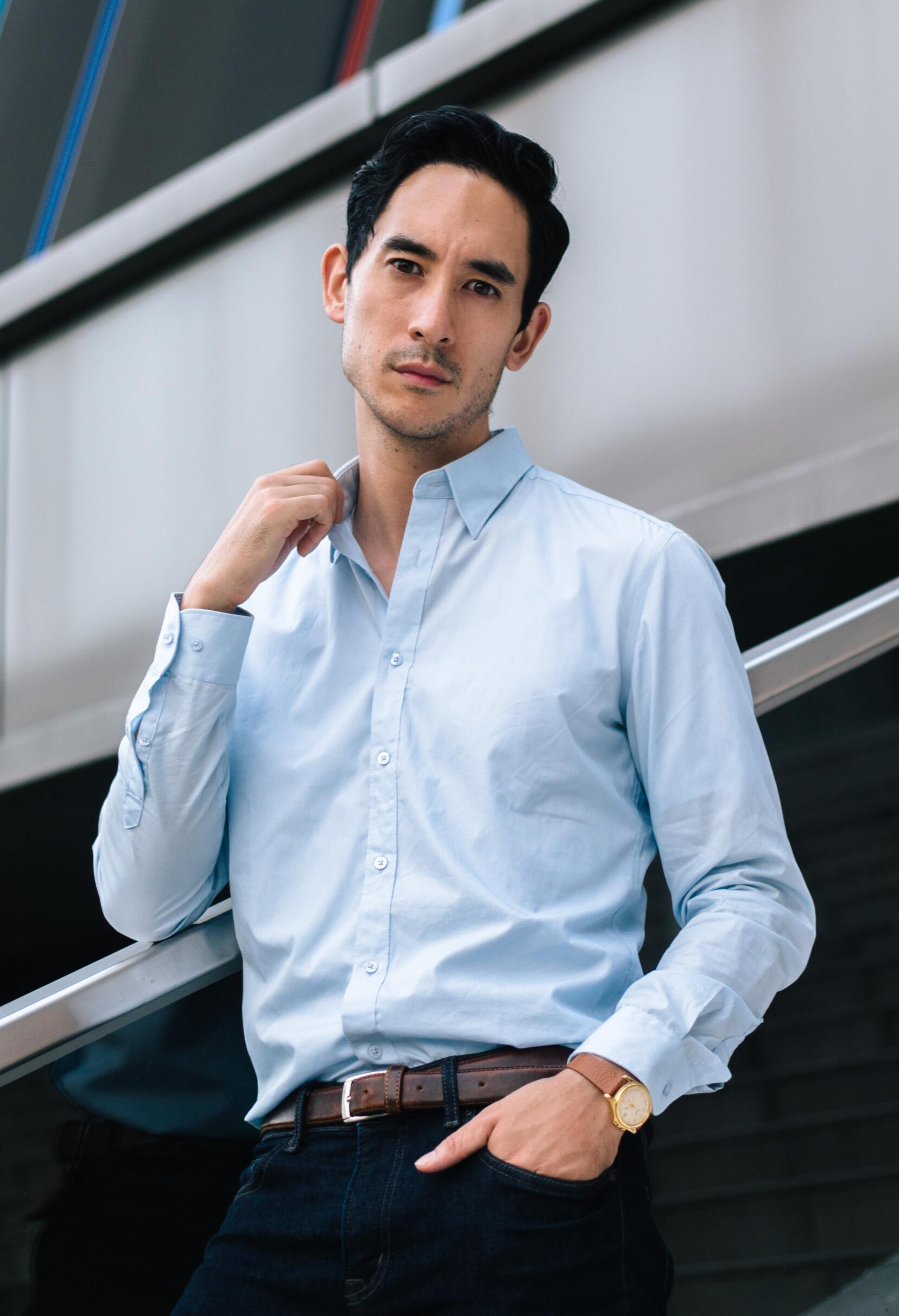
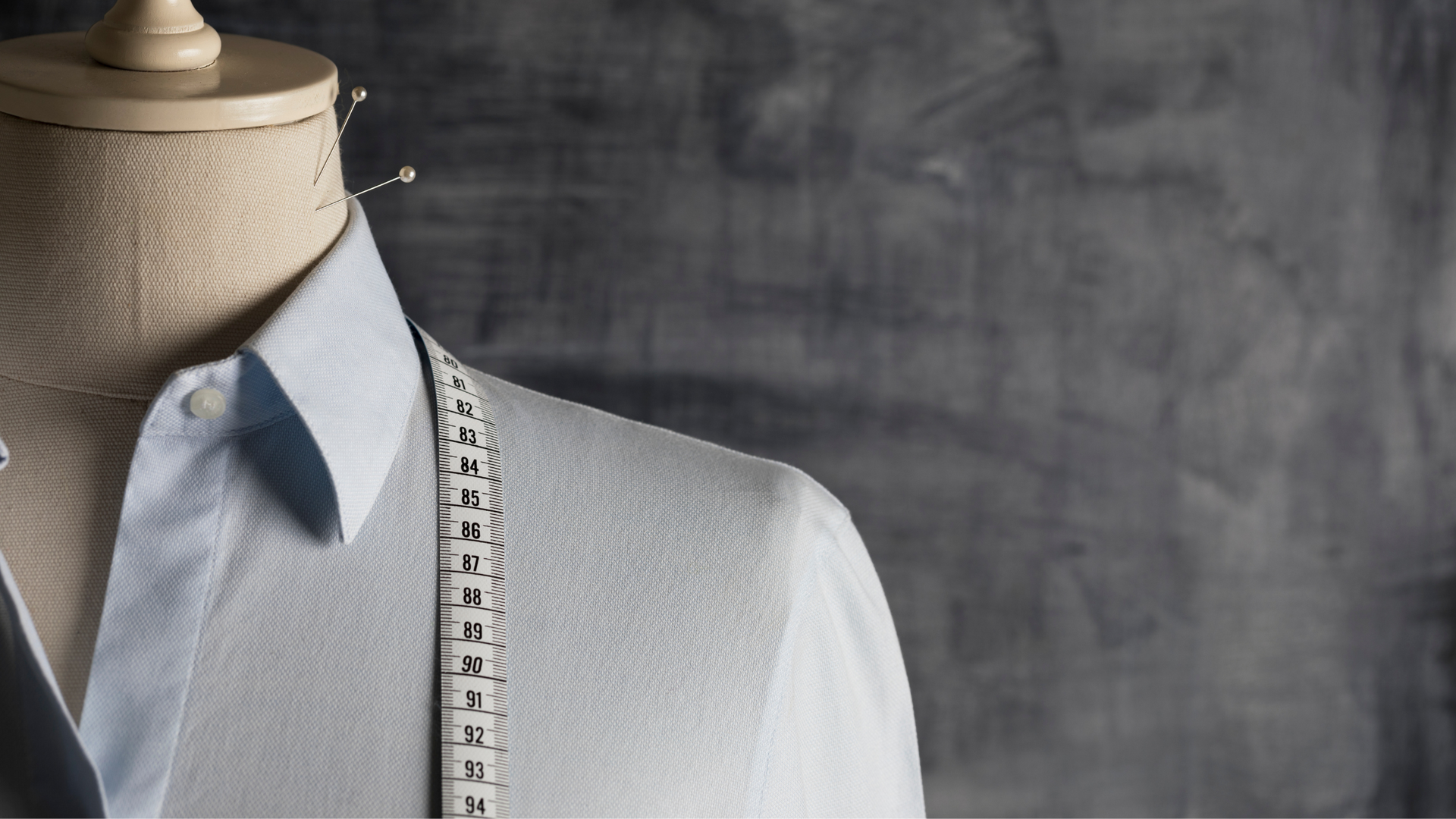
The gentlest entry into made-for-you clothing is the bespoke shirt. A collar cut to your neck and cuffs that sit precisely at the wrist will change how you feel in a meeting, at a fraction of the outlay of a suit, and it teaches you what proper fit feels like. Once you know, there is no unknowing it.
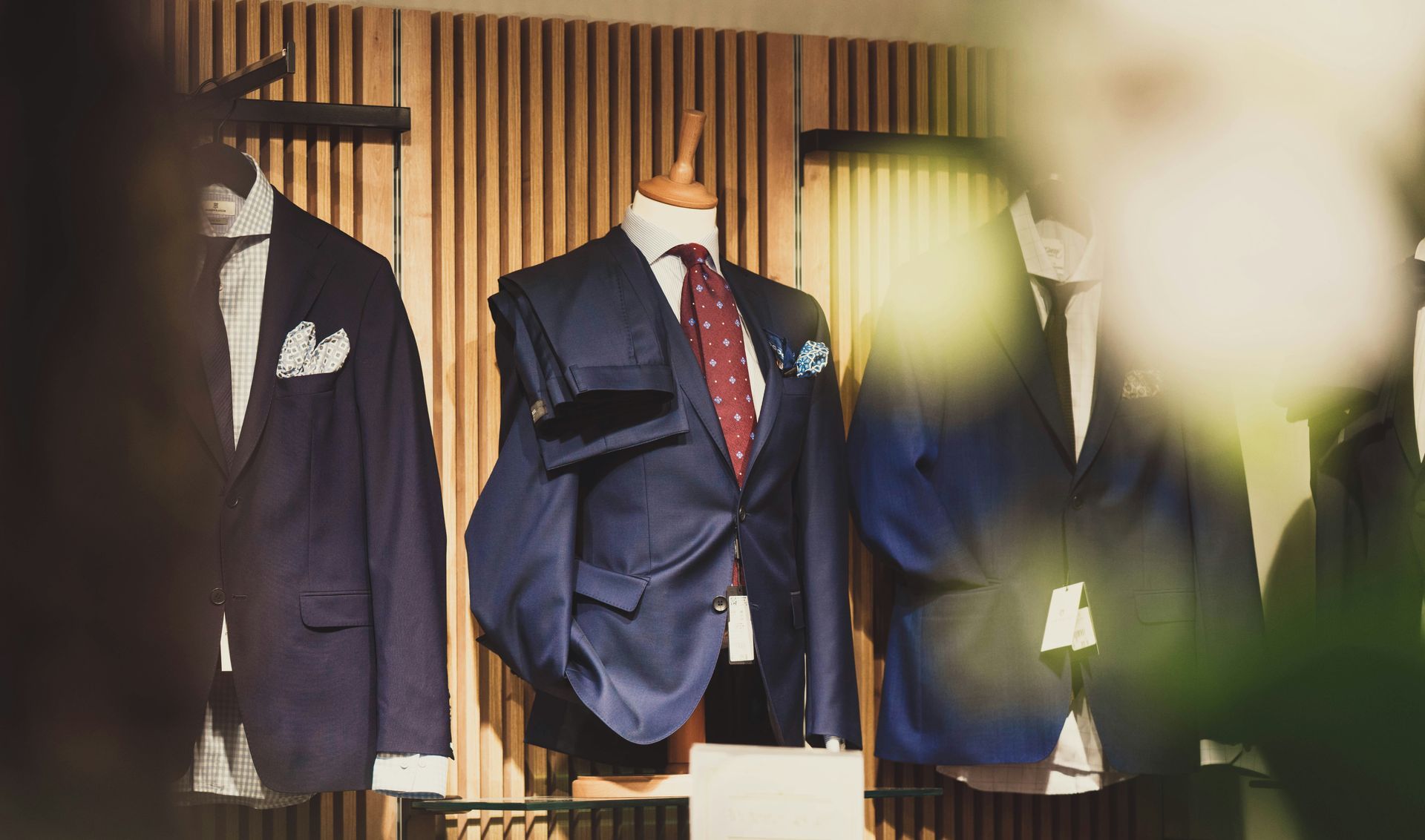
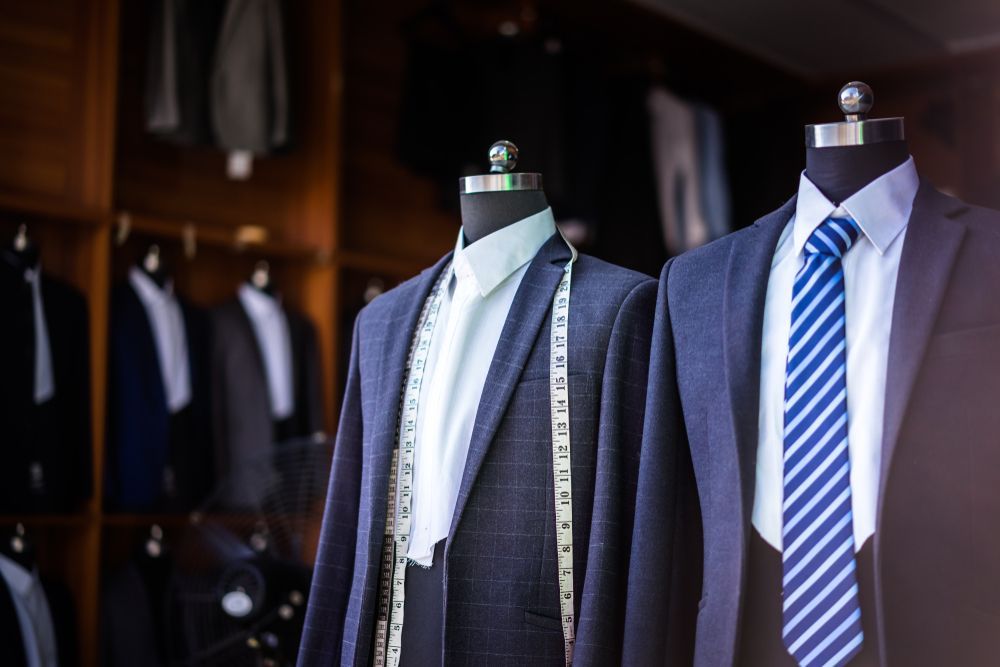
From there, the first suit. Navy or charcoal, softly structured, cut with the ease of the current mood and the proportions handled correctly. This is where a tailor earns his keep, because the relaxed silhouette everyone wants this year is also the hardest one to buy off a rack. The difference between elegant drape and a borrowed look is a matter of millimetres, and those millimetres are decided at the fitting. One good suit covers the interview, the wedding, the dinner and the eulogy, and it will be the thing you reach for whenever the stakes are highest.
The arithmetic of a decade
Tally what fast fashion costs across ten years and the total startles. Hundreds of garments, few survivors, and little that fits in year three the way it did in week one. A well-made suit runs the other way. It is altered as your life changes, its cost per wear falls with every outing, and a decade on it is still in the conversation. The mathematics favour patience.
Dressing like you mean it
Underneath the trend data sits something simpler and older. A first fitting is a small declaration that you take your own life seriously: the work, the occasions, the people in the room. Generations of men understood this instinctively, and the newest one appears to be rediscovering it on its own terms.
The door on Bligh Street opens the same way for everyone. Come and see us, and begin with a single shirt.
FAQs
Is bespoke tailoring only for older men?
Far from it. A growing share of first commissions now comes from men in their twenties and thirties, and the process is designed to guide newcomers from the first conversation onwards.
What should my first tailored garment be?
A bespoke shirt. It delivers the most noticeable improvement in fit for the most modest outlay, and it prepares you for the decisions involved in a first suit.
What is the difference between bespoke and made-to-measure?
Bespoke begins with a unique pattern drafted from scratch for your body and is refined over multiple fittings. Made-to-measure adapts an existing pattern to your measurements, with fewer fittings and a shorter timeline.
Do I need to know about cloth or style before my first appointment?
No knowledge is required. The consultation exists to draw out how you live and work, and we guide every decision from cloth weight to lapel width along the way.
Glossary
Bespoke. A garment cut from an individual pattern drafted for one client, refined over multiple fittings.
Made-to-measure. A garment built from an adjusted standard pattern to a client's measurements, with fewer fittings than bespoke.
Soft tailoring. Construction with lighter canvassing and gentler shoulders, giving a relaxed line while holding its shape.
Relaxed tailoring. The prevailing 2026 silhouette: fuller cuts, easy drape and softer structure, worn with polish.
Drape. The controlled fullness through the chest and shoulder blades of a jacket that allows movement and creates a flattering line.
Quiet luxury. A style movement built on muted colours, minimal branding and visible quality of cloth and make.