
The Italian Art of the Perfect Shirt

Raj El-Ali • May 31, 2026

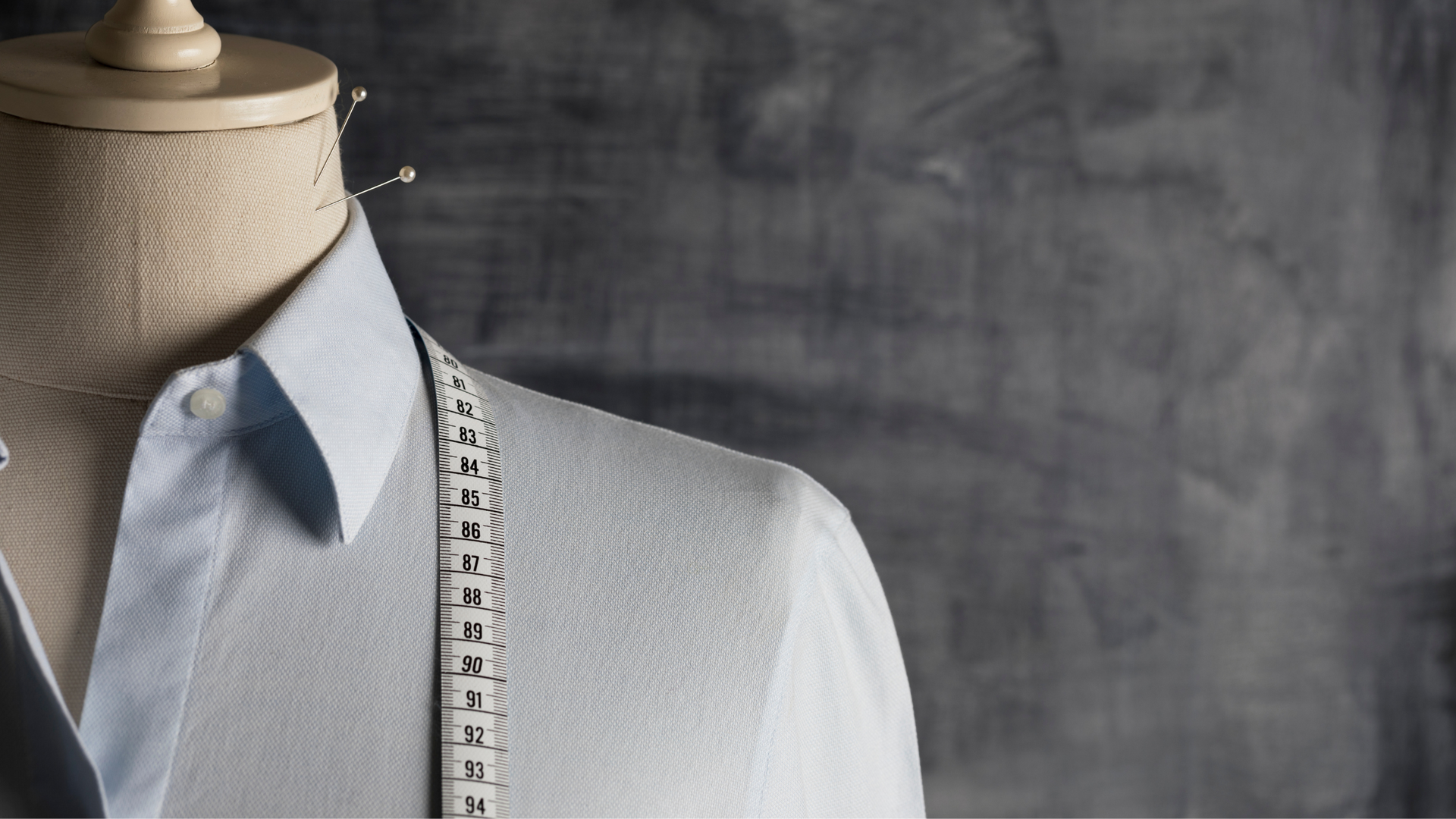
At Pascalis, the made-to-measure shirt programme is built around a singular commitment: working exclusively with an artisan shirtmaker based in Naples who does nothing else. No suits. No trousers. Just shirts, made the way shirts were always meant to be made.

A Maker with a Single Focus

The Naples-based maker at the heart of this programme came to Pascalis through a mutual connection in Melbourne. What began as a trial order quickly became a long-term partnership, founded on something that is harder to find than it might appear: genuine mastery of a single craft.


This maker produces shirts for some of the most demanding names in Italian tailoring, including Kiton, the storied Neapolitan house that has set the standard for hand-finished menswear since the 1950s. The pedigree matters, but so does the exclusivity. The arrangement with Pascalis is exclusive to Australia, meaning clients here have access to something that simply cannot be found anywhere else in the country.

The Details That Define Quality

Spend any time with Pascalis discussing shirts and you quickly understand that quality lives in specifics. Take the buttons. An Italian-made shirt uses a thick button that stands approximately three to four millimetres proud of the fabric. This is not aesthetic vanity. A thicker button seat means the button stays fastened. It is a functional decision that also happens to look exceptional.


The collar and cuffs carry a distinctly Italian sensibility, with a spirit that Pascalis describes as having strong appeal from the 1970s era of Italian tailoring, when the proportions were generous and the details were given real attention. The collar construction is precise. The finishing is thorough.


For clients who want to go further, the luxury option introduces hand stitching around the yoke and collar. This is the kind of work that slows production down and raises the standard up. It is the difference between a shirt that is very good and one that is genuinely exceptional.

Fabrics That Belong on Another Level

The shirt programme draws on two Italian fabric houses: Canclini and Monti. Both are benchmarks of the industry. The cloths range from Super 100s to Super 160s, producing fabrics with a fineness and drape that is immediately apparent against the skin.


Pascalis keeps full fabric books from Monti in the shop, so clients can come in, run their hands across the swatches, and select in person. The colour range is broad. The handle of the cloth tells its own story before a single measurement is taken.


Wearing one of these shirts, Pascalis says, is like putting on a Lamborghini. The analogy is more precise than it might first appear. Both represent Italian manufacturing at its absolute peak. Both prioritise how something performs alongside how it looks. And both reward the person who understands what they are experiencing.

When a Shirt Becomes a Commission

The made-to-measure programme extends beyond standard shirt configurations. Recently, Pascalis completed shirts for a husband and wife who wanted faithful recreations of garments they had purchased from Dries Van Noten, the Belgian designer known for bold, complex work. The originals were striking and unconventional. The reproductions matched them precisely.


That capacity for bespoke interpretation is central to what this programme offers. A standard shirt, cut to measure in a beautiful fabric, is already a significant step beyond what most tailors can provide. But the ability to bring a client's specific vision to life, however unusual the brief, is something else entirely.

Why Italy?


Ask Pascalis why Italy, and the answer comes without hesitation. Italy has an artisan culture that others spend their careers attempting to imitate. The Japanese study it seriously and find genuine ways to innovate within it. Others simply copy the surface without understanding what sits beneath. Italy is where designers, fabric houses and manufacturers go when they want to understand what direction the industry is moving.


The evidence is everywhere, from the way Italians approach furniture and automotive design to the painting of a tailor that hangs in the Pascalis shop, dated to the mid-sixteenth century. That is the depth of heritage being drawn on when a shirt is made in Naples from Canclini cloth and finished by hand. It is not a marketing position. It is a lineage.


Clients interested in the made-to-measure shirt programme are welcome to visit the shop, where the fabric books are available to browse and the full story can be told in person.

By Raj El-Ali May 29, 2026
Explore the history and style logic behind both trouser waistband options, and find out which finish suits your wardrobe and lifestyle.
By Raj El-Ali May 29, 2026
Flat fronts or pleats? Discover the practical differences between trouser styles, from single and double pleats to flat fronts
By Michael Pascalis December 24, 2025
A practical guide to finding strong infill opportunities in NSW using zoning, transport access, demographics, and market signals.
By Michael Pascalis December 24, 2025
Step inside Pascalis on a Wednesday and you might notice something new about the place: You’ll be able to speak to and benefit from the skills and expertise of none other than Peter Batty — a master craftsman whose career in making the perfect shirt spans more than six decades.
Smarter tailoring
By Michael Pascalis October 24, 2025
Smarter tailoring, breathable fabrics, and better cuts keep you cool and professional—without resorting to shorts at work.
October 22, 2025
The conversation about summer dressing too often circles back to gimmicks. Shorts in the office, polo shirts in the boardroom, but these are symptoms of a deeper problem: we have forgotten how to make and wear proper clothing for the climate we live in. A summer suit, chosen with care, remains the most elegant answer. But not all suits are created equal. If the heat leaves you dreaming of linen drawstrings, it’s not the suit’s fault. It’s the wrong suit. Here are eight considerations that turn summer tailoring from punishment into pleasure. 1. Fabric First The single most important decision is fabric. Natural fibres are non-negotiable. Polyester and other synthetics trap heat and suffocate the skin; they are cheap in every sense of the word. Tropical wool, with its fine yarn and open weave, has been the quiet hero of summer tailoring for decades. Linen, either pure or in a wool blend, brings unmatched breathability and texture. Cotton offers a crisp alternative for the more casual office. The principle is simple: fabric should breathe. 2. Lightness of Weave Weight is not enough; weave matters too. A dense cloth, no matter how fine, will feel like armour in January. Fresco, hopsack, and other open-weave constructions let air circulate without sacrificing drape. They prove that you don’t need to bare skin to keep cool. 3. The Case for Unlined Jackets Every layer in a suit traps heat. A fully lined jacket in the peak of summer is as unnecessary as it is uncomfortable. Half-lined or unlined jackets offer structure without insulation. Stripped back to its essentials, the jacket still frames the shoulders, flatters the waist, and gives shape, only now it does so without suffocating the wearer. 4. Rethinking Fit The tyranny of the skinny suit has done more to ruin summer dressing than the thermometer ever could. Narrow lapels, shrunken jackets, and trousers cut like leggings may look sharp in shop windows, but in the real world they cling, sweat, and stifle. A summer suit demands room to breathe: a touch more fullness in the chest, pleats in the trousers, a slightly longer rise. These small concessions to airflow make all the difference. 5. Freedom of Movement Tailoring was never meant to be restrictive. The best summer suits allow ease: side vents that open as you walk, trousers that fall cleanly without gripping the thigh, shoulders that move without resistance. Comfort is not the enemy of style, but rather it is its foundation. 6. The Role of Colour Summer is no time for charcoal and midnight navy. Dark cloth absorbs heat and looks heavy against the season’s light. Pale grey, beige, sky blue are shades that reflect the sun and signal ease. Seersucker, with its puckered surface, even lifts the fabric off the skin to create tiny channels of air. If ever there was a fabric designed for August, this is it. 7. Care and Longevity Summer is unforgiving. Suits face sweat, humidity, and relentless sun. The careless solution is cheap rotation: buy more, wear them out, throw them away. The wiser approach is investment. A well-made summer suit, rested between wears and hung to air, will last for years. Quality not only looks better, it endures. 8. Dressing with Intent The final consideration is not technical but philosophical. A summer suit is more than cloth and cut. It is a statement that professionalism need not wilt in the heat, that respect for the occasion is not seasonal. To wear one well is to prove that elegance adapts. Shorts may make headlines; tailoring makes an impression. There is nothing radical about suggesting that a summer suit can be cool, comfortable, and dignified. It has always been possible. The knowledge is there, in the choice of fabric, the looseness of cut, the restraint of lining, the play of colour. What is required is not reinvention but remembrance: a return to tailoring that understands climate rather than fights it.  Eight considerations for made to measure suits for summer, then, but really one principle: good clothes work with the body, not against it. And in the heart of summer, a well-made suit is not a contradiction. It is liberation.
By Michael Pascalis August 16, 2025
From resizing beloved pieces to reviving vintage craftsmanship, learn why old clothes deserve a second life with professional tailoring.
By Michael Pascalis August 16, 2025
Discover why a Pascalis bespoke suit offers lasting value beyond fashion. Learn how true tailoring is an investment in style and substance.
By Michael Pascalis June 4, 2025
Learn how many shirts a professional man needs, which colors are essential, and how to build a versatile shirt collection for work and weekend wear.
By Michael Pascalis June 4, 2025
Discover how traditional tailoring has preserved its artisanal techniques for over 200 years.