Dressed to Kill: What the Next James Bond Will Teach Men About Tailoring
In summary
- The official search for the next James Bond began in May 2026, with an announcement widely expected within months and Australian actor Jacob Elordi among the names most frequently mentioned.
- Across six decades and six leading men, the one constant of the Bond character has been tailoring: a perfect shoulder, freedom of movement, and quiet, disciplined cloth.
- Every lesson in the Bond wardrobe is available to any man who commissions bespoke. No licence to kill is required.
The most coveted role in cinema is open. Amazon MGM confirmed in May that the search for the next James Bond has formally begun, with veteran casting director Nina Gold leading the hunt and Denis Villeneuve attached to direct. An announcement is widely expected once the script settles, quite possibly before the year is out.
For Australians, there is an added frisson. Jacob Elordi, raised in Brisbane, is among the actors most consistently linked with the role. Only one Australian has ever carried the Walther PPK on film: George Lazenby, in 1969's On Her Majesty's Secret Service. A second would be overdue.
Whoever is chosen will inherit far more than a franchise. He will inherit a wardrobe, and a philosophy of dress that has shaped men's tailoring for over sixty years. Because the quiet truth of Bond is this: the suits do half the acting.
The suit as character
When Sean Connery was cast in Dr. No, director Terence Young sent him to Anthony Sinclair of Conduit Street and, so the story goes, told him to live in his suits until they felt like a second skin. The resulting silhouette, a softly draped chest over a clean shoulder and a gently suppressed waist, became known as the Conduit Cut. It made a former bodybuilder look effortless, and it made effortlessness look dangerous.
Every Bond since has renegotiated that template. Roger Moore brought a fuller, more flamboyant line from his own tailors, Cyril Castle and later Douglas Hayward. Pierce Brosnan wore the roped shoulder and fluid drape of Brioni. Daniel Craig began his tenure in Brioni before moving to the razor-sharp cuts of Tom Ford. In each era, the silhouette told the audience exactly who this Bond was before he had said a word.
Lesson one: the shoulder is everything
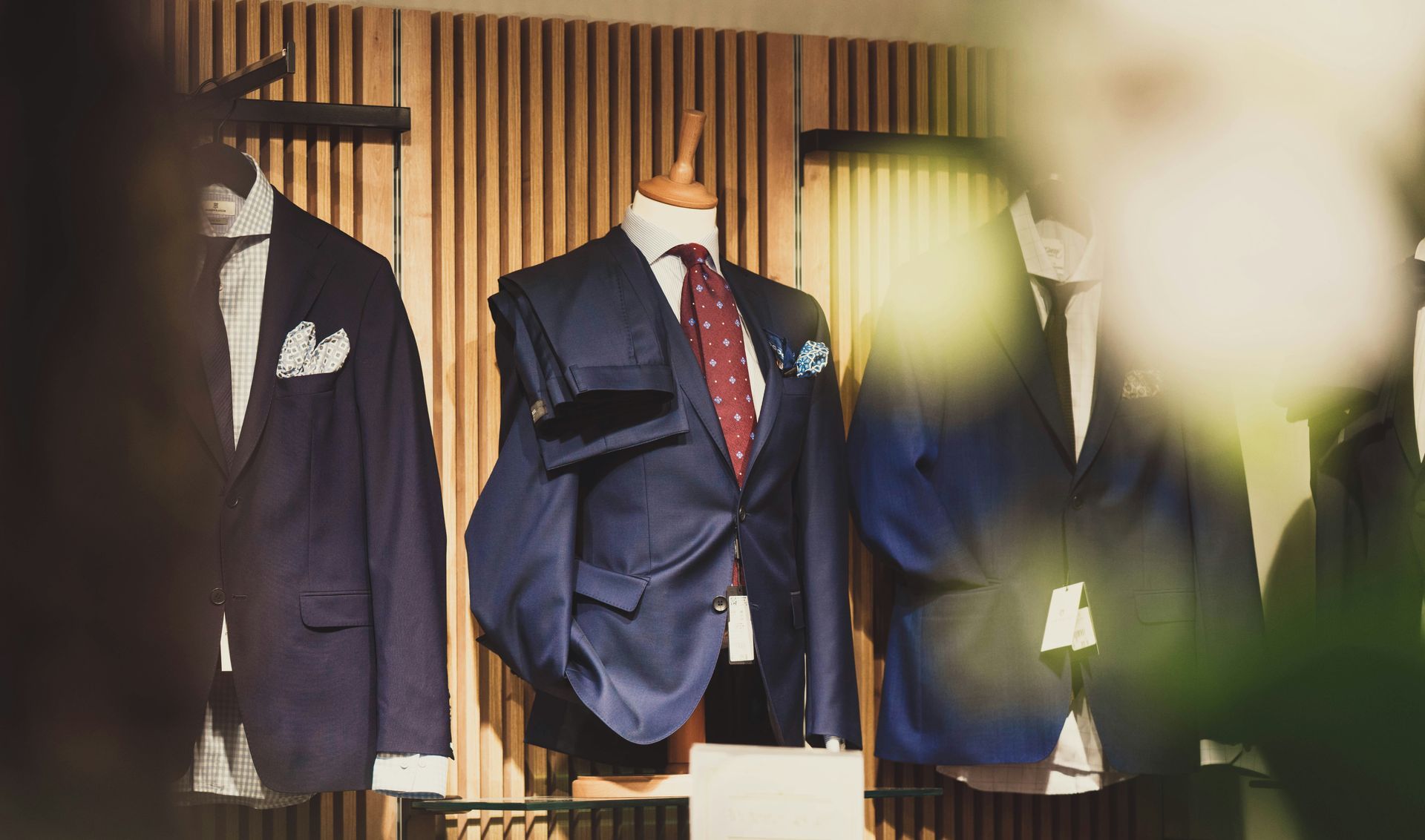
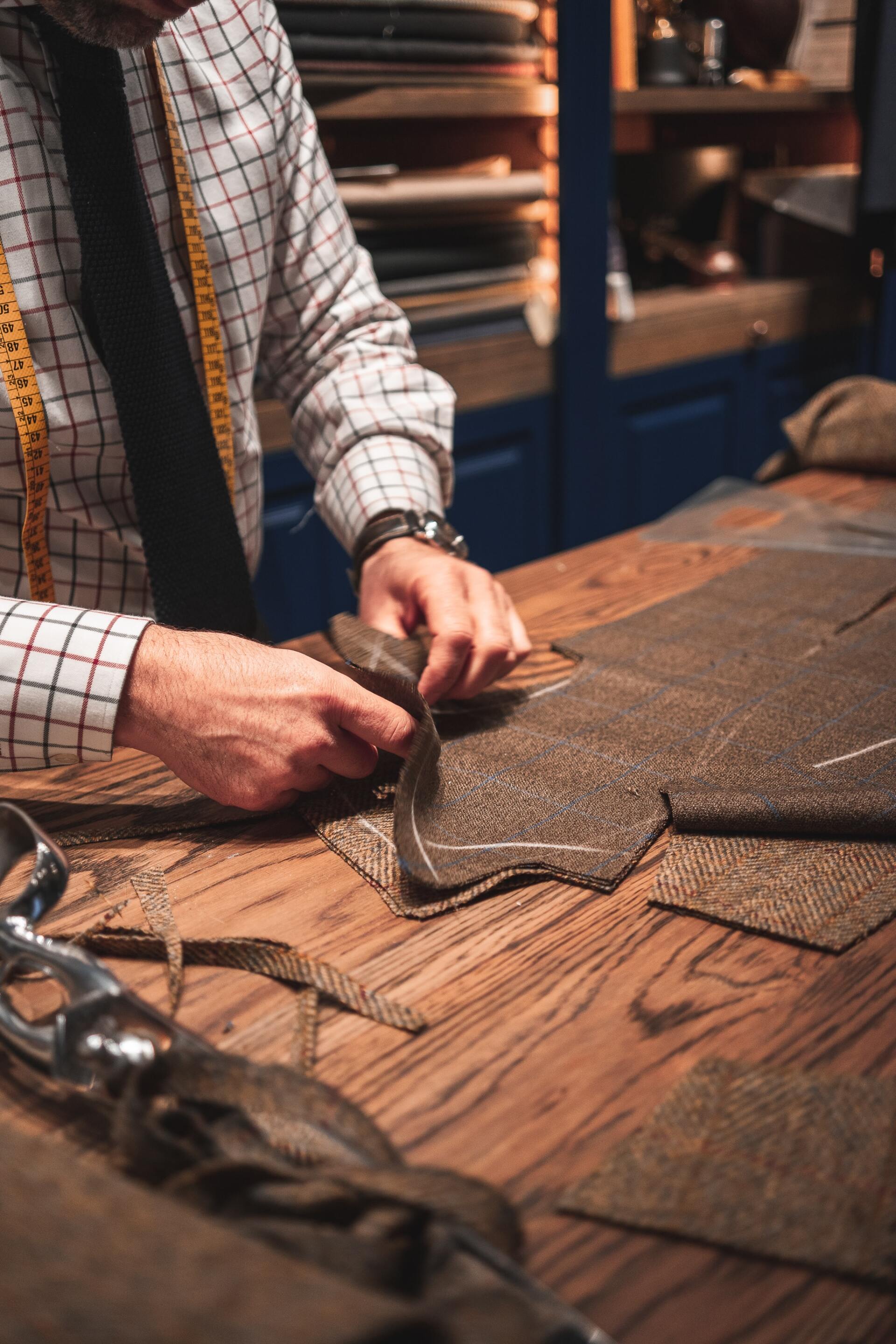
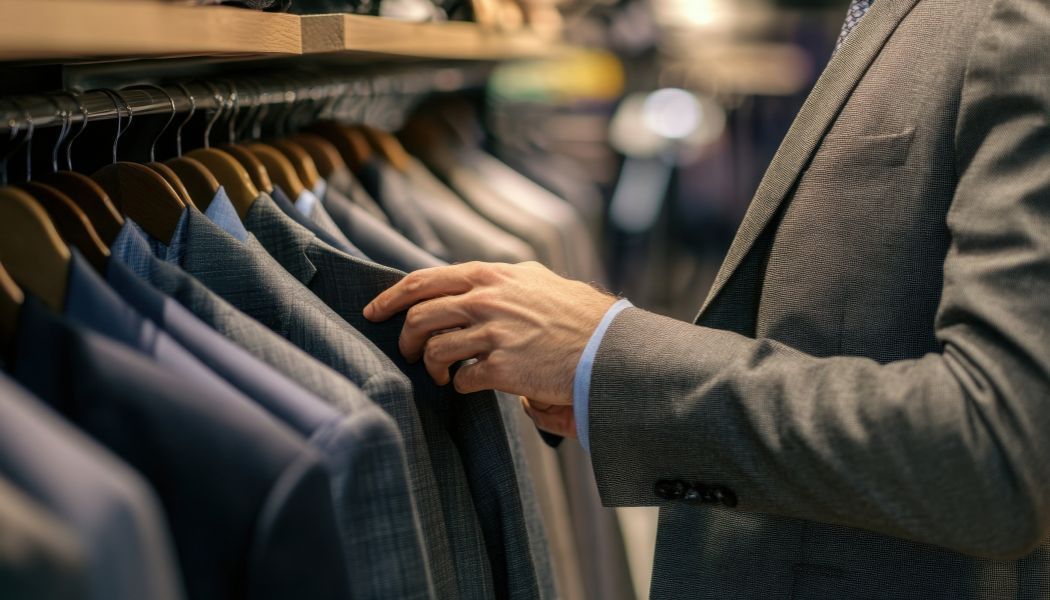
Notice what never changes across those six decades. Whatever the fashion of the day, the jacket fits perfectly through the shoulder and collar. The shoulder is the foundation of a suit. When it sits cleanly against the body, everything beneath it falls into place. When it fails, no alteration on earth can rescue the garment. It is the first thing we consider when cutting a bespoke suit, and the reason true tailoring begins with the body rather than a size hanging on a rack.
Lesson two: cut for movement
Bond fights, runs, drives and occasionally falls out of aeroplanes in tailoring, and the clothes keep their composure. That is a craft decision, and it reflects one of the oldest principles in the trade. A properly cut suit allows a full stride and a raised arm without strain. It carries balance through the back, ease through the chest and freedom through the sleeve. Tailoring was never meant to be a cage.
Few of us are required to leap from a moving train in a three-piece. All of us reach for taxi doors, carry luggage and sit through long dinners. If your jacket pulls the moment you do, the cloth is blameless. The cut has failed you, and the fix is a suit made for the way you actually move.
Lesson three: the discipline of restraint
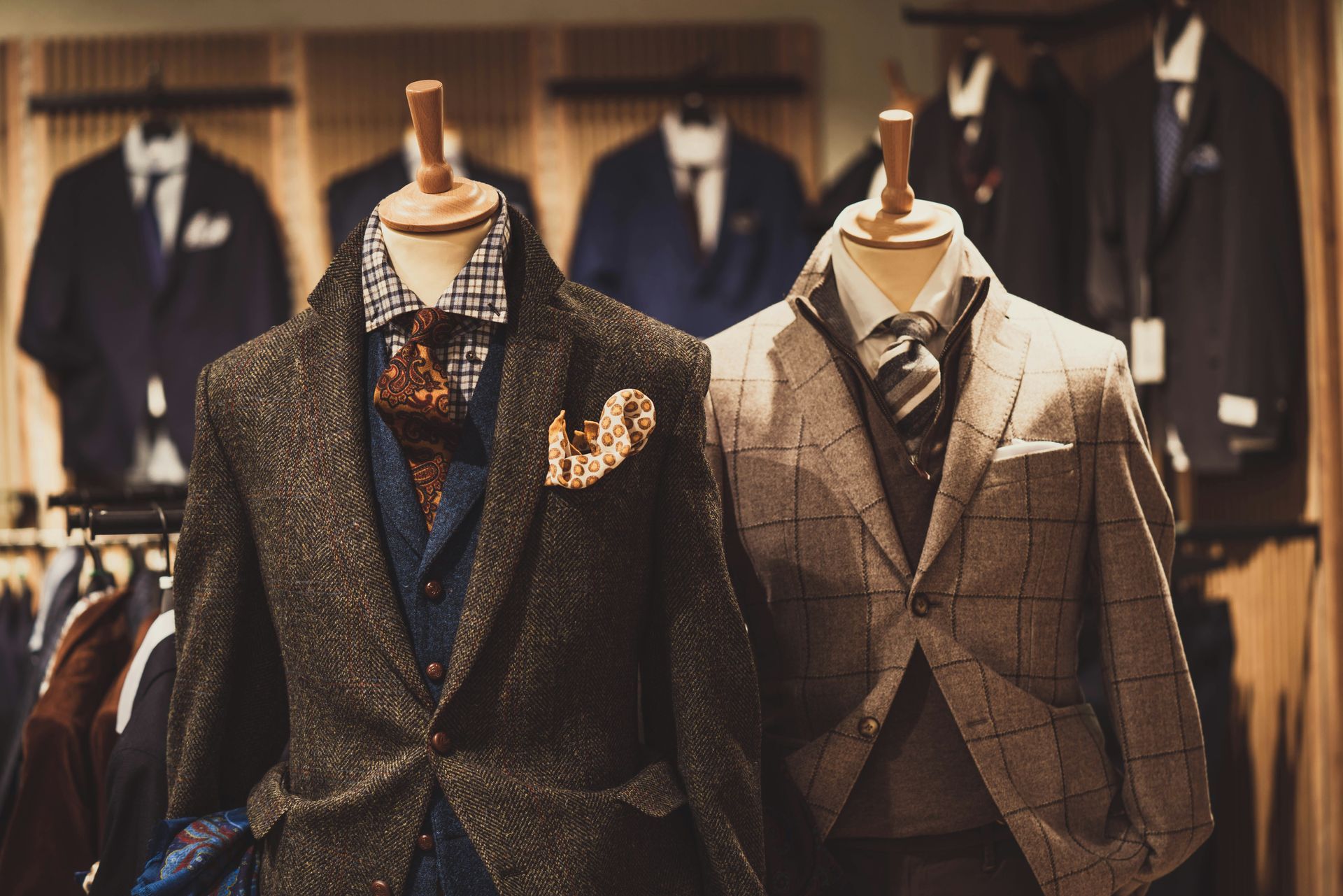
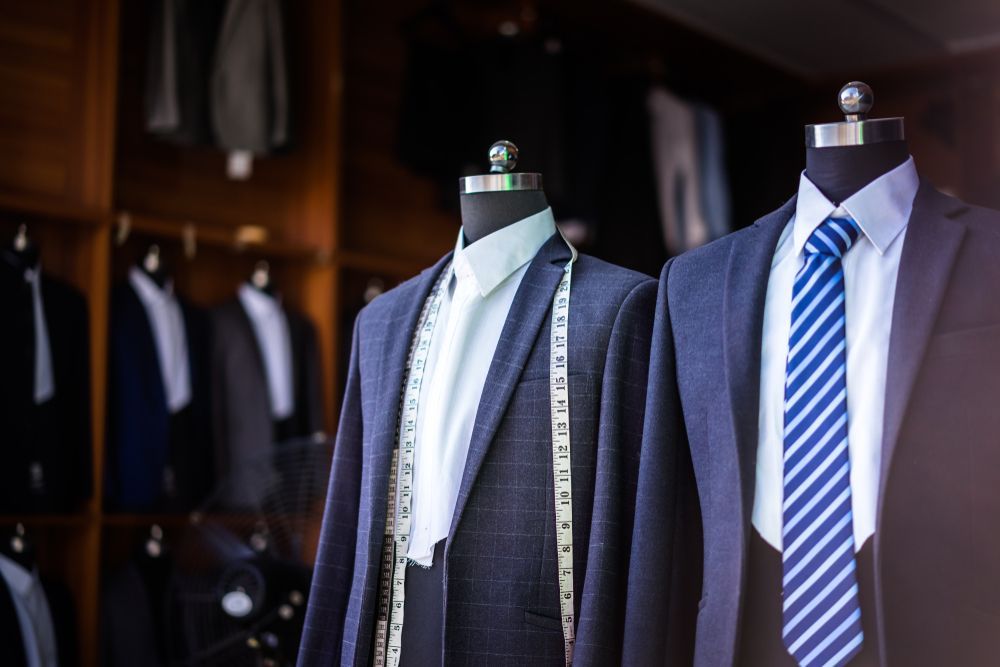
For a man of famously expensive tastes, Bond dresses with remarkable quietness. Navy and grey worsteds. Subtle glen checks. Midnight blue after dark, a shade the great evening tailors have always favoured because it reads richer and blacker than black itself under artificial light. His dinner suit is perhaps the most photographed garment in cinema, and its power lies entirely in its restraint: a considered lapel, a perfect fit, and nothing that shouts.
There is a lesson here for any man building a serious wardrobe. Quality announces itself through cloth, fit and finish. Colour and pattern are seasoning, applied with a light hand.
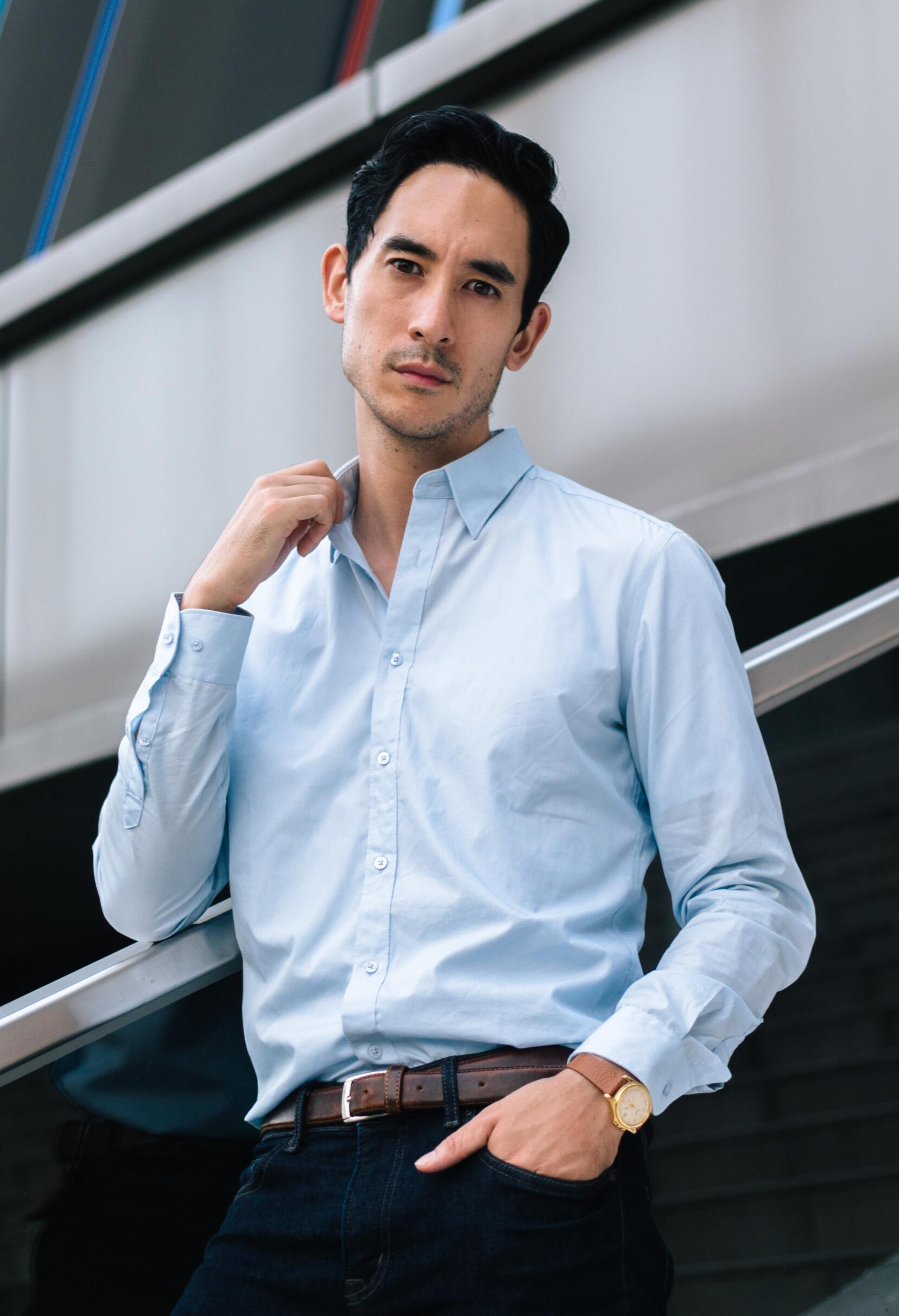
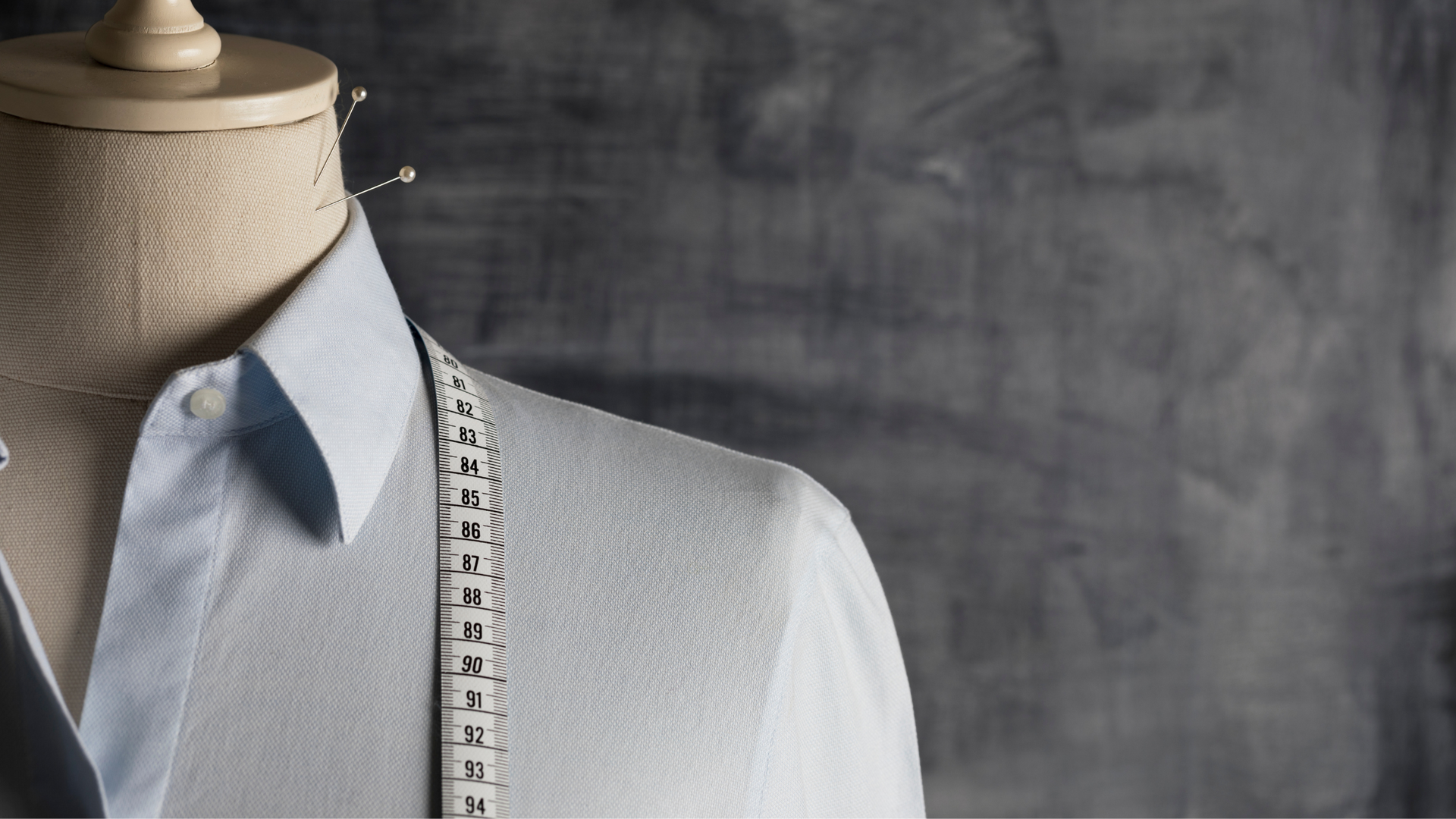
The same discipline extends to the shirt: a crisp collar framing the face, a cuff showing a considered half inch beneath the jacket sleeve. Bond's shirt makers have always understood that a suit is only ever as good as what sits beneath it.
An Australian Bond, in an Australian suit
Should Elordi, or any of his countrymen, win the role, it would be a fine moment for Australian style, and a timely reminder of something we hold close at Pascalis: world-class tailoring is made here. Every bespoke suit we cut is made in Australia, shaped over a series of fittings at our Bligh Street rooms in the Sydney CBD, from cloths woven by the great mills of England and Italy.
The casting directors will make their announcement in their own time. Your own commission requires no audition. The shoulder, the movement, the restraint: every lesson in the Bond wardrobe belongs to any man who decides his clothes should be made for him alone. Visit us on Bligh Street, and we will take it from there.
FAQs
Has the next James Bond been announced?
Not yet. Amazon MGM confirmed in May 2026 that the search had formally begun, with Denis Villeneuve directing and Steven Knight writing the script. Industry reporting expects an announcement once the creative direction is locked, potentially in late 2026.
Has an Australian ever played James Bond?
Once. George Lazenby, from Goulburn in New South Wales, played 007 in On Her Majesty's Secret Service in 1969. If Jacob Elordi were cast, he would become the second Australian to hold the role.
Who made James Bond's suits in the films?
Sean Connery wore Anthony Sinclair of Conduit Street. Roger Moore used Cyril Castle and later Douglas Hayward. Pierce Brosnan wore Brioni, and Daniel Craig moved from Brioni to Tom Ford.
Can Pascalis make a Bond-style dinner suit?
Yes. We cut bespoke dinner suits in black or midnight blue, made in Australia and fitted over a series of appointments at our Sydney CBD rooms.
Glossary
Bespoke. A garment cut from an individual pattern drafted for one client, refined over multiple fittings.
Conduit Cut. The silhouette Anthony Sinclair created for Sean Connery: a soft chest, clean shoulder and gently suppressed waist.
Dinner suit. The correct term in Australian and British tailoring for what Americans call a tuxedo: a black or midnight blue evening suit with silk-faced lapels.
Midnight blue. A near-black navy favoured for evening wear because it appears deeper and richer than black under artificial light.
Drape. The controlled fullness through the chest and shoulder blades of a jacket that allows movement and creates a flattering line.
Suppressed waist. The tailored narrowing of a jacket through the midsection, giving shape without tightness.